 Ring Studio
East-West Engagement Rings
An east-west engagement ring sets an elongated stone horizontally across the finger instead of pointing towards the fingertip. The same stone looks fresh, modern and lower-key, and it is one of the simplest ways to make a classic shape feel individual.
On this page
- How an east-west setting works
- Best stone shapes for east-west
- East-west vs north-south: how it changes the look
- Settings that suit east-west stones
- Durability and care
- Wedding band compatibility
- Does east-west cost more?
- Getting the proportions right
- Designing an east-west ring in Ring Studio
- Who suits an east-west ring?
- What it is
- An elongated stone set horizontally across the finger
- Best shapes
- Oval, emerald, marquise, pear, elongated cushion, baguette
- Effect
- Modern, understated; widens rather than lengthens
- Durability
- Good; bezels are especially practical
- Band pairing
- Usually straightforward
- In Ring Studio
- Supported via the stone orientation option
How an east-west setting works
Nothing about the stone changes; only the head is turned 90 degrees. The prongs or bezel are positioned so the stone's long axis runs parallel to the band. Because the head now spans the width of the finger, jewellers often lower it and use a slimmer band, which gives east-west rings their characteristic low, horizontal, modern profile.
The style has older roots than its recent popularity suggests: horizontal stones appear in Georgian and Victorian rings, and step-cut stones set sideways were a feature of some Art Deco pieces.
Best stone shapes for east-west
| Shape | East-west effect |
|---|---|
| Oval | Soft and modern; the most popular choice |
| Emerald | Architectural and clean, like a bar of light |
| Marquise | Striking and almost Art Deco; spans the finger |
| Pear | Asymmetric; the point can face left or right |
| Elongated cushion, radiant | Bright and rectangular |
| Baguette | Very minimal; works well stacked |
| Moval, Dutch marquise | Unusual outlines that look new sideways |
The more elongated the stone, the more noticeable the effect. An oval with a length-to-width ratio around 1.3 to 1.5 is a good starting point; very long stones may overhang a narrow finger. See oval, emerald and marquise guides for shape details.
East-west vs north-south: how it changes the look
- Finger shape: north-south elongated stones make fingers look longer and slimmer. East-west does the opposite, emphasising width. It flatters long, slim fingers especially; our guide to choosing a ring for your hand shape covers this.
- Apparent size: the face-up area is the same, but sideways stones read as more understated, partly because they sit lower.
- Character: east-west feels contemporary and a little unexpected, without being as dramatic as a toi et moi or bypass.
Settings that suit east-west stones
A bezel is the most popular choice: it protects the stone's sides, which now point towards neighbouring fingers, and gives a sleek look. Four prongs work well on ovals and emerald cuts. For marquise and pear, protect the points with V-prongs or a bezel. Compass-style prongs at north, east, south and west also look striking on an east-west oval.
Durability and care
East-west settings are typically low, which helps durability. The sides of the stone are more exposed to knocks from neighbouring rings and fingers, so a bezel or sturdy prongs are sensible. Cleaning is the same as any ring: warm soapy water and a soft brush under the stone.
Wedding band compatibility
A low east-west head on a slim band usually sits neatly next to a straight wedding band. A large stone set horizontally can overhang the band slightly; a thin straight band or a gently curved band then sits more comfortably. East-west rings look especially good stacked with slim, plain or baguette bands.
Does east-west cost more?
Generally no. The stone is the same; only the head orientation changes. A bezel may cost a little more than prongs from some jewellers. If anything, east-west can save money because a modest stone looks deliberate and stylish rather than small. Prices vary by retailer, quality and market.
Getting the proportions right
Because the stone now spans the finger, its length matters more than usual. A typical finger is around 15 to 20 mm wide where a ring sits, depending on the size. As a rule of thumb, an east-west stone looks comfortable when its length is no more than about half to two thirds of the finger's width.
| Oval carat (approx.) | Typical length | East-west impression |
|---|---|---|
| 0.5 ct | about 6-7 mm | Delicate and minimal |
| 1 ct | about 7.5-8.5 mm | Balanced on most fingers |
| 2 ct | about 9.5-10.5 mm | Bold; can overhang a slim finger |
These are approximate, since length depends on the stone's ratio and cut. If you are unsure, try both orientations on your own hand before deciding; the difference in how the ring feels is often bigger than people expect.
Designing an east-west ring in Ring Studio
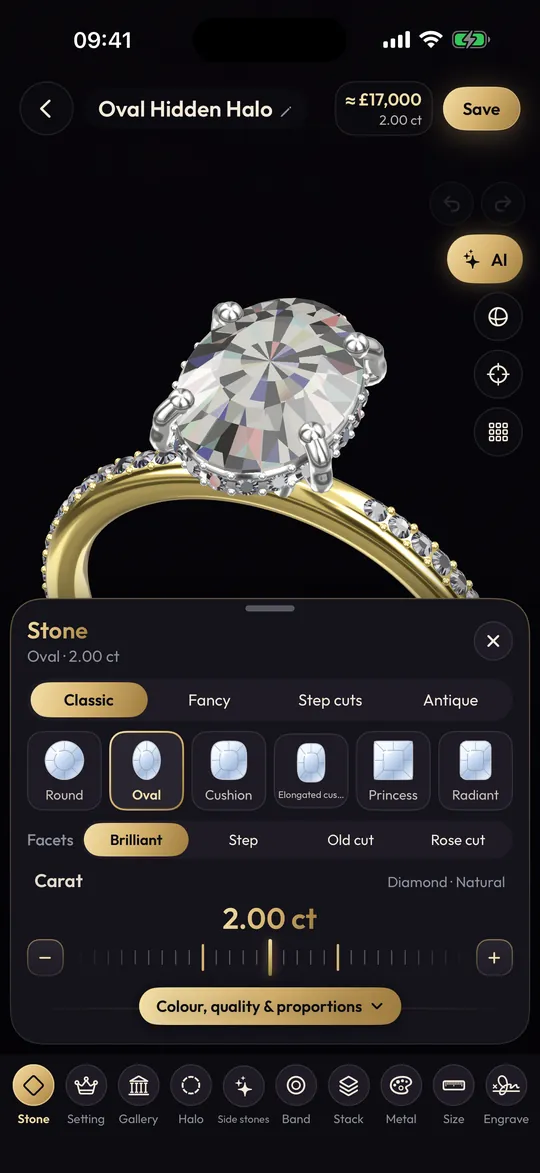
- Pick an elongated shape: oval, emerald, marquise, pear or elongated cushion, for example.
- Switch the stone orientation from north-south to east-west.
- Choose a bezel or a 4 prong setting, then a slim plain band.
- Toggle between orientations to compare them on the same ring.
- With Pro, try it on your own hand with the camera to see how it sits across your finger.
You can also ask the AI for "an east-west emerald cut in a yellow gold bezel" and refine it from there.
Who suits an east-west ring?
East-west is a good fit if you want something modern and quietly different, have long or slender fingers, or want a modest stone to look intentional. If you prefer the classic finger-lengthening effect, stay north-south. For more ideas in this direction, see minimalist engagement rings and unique engagement rings.
Frequently asked questions
What does east-west mean on an engagement ring?
It means the long axis of the stone runs across the finger, from side to side, rather than along it. The usual vertical orientation is called north-south.
Does an east-west setting make the stone look smaller?
It does not change the stone's size, but it covers less of the length of the finger, so the finger does not look elongated. On a wide finger it can look slightly smaller; on a slim finger it can look bolder because it spans more of the width.
Which shapes can be set east-west?
Any elongated shape: oval, emerald, pear, marquise, elongated cushion, radiant, baguette and moval are the most common. Round, square princess and asscher look the same either way.
Do east-west rings snag more?
Slightly, on the sides, because the stone's long edges point towards your neighbouring fingers. A bezel or low prong setting reduces this.
Can I wear a wedding band with an east-west ring?
Yes. With a sensibly sized stone, the head sits within the width of the finger, and a straight band often fits well, though larger stones may overhang it.
Keep reading
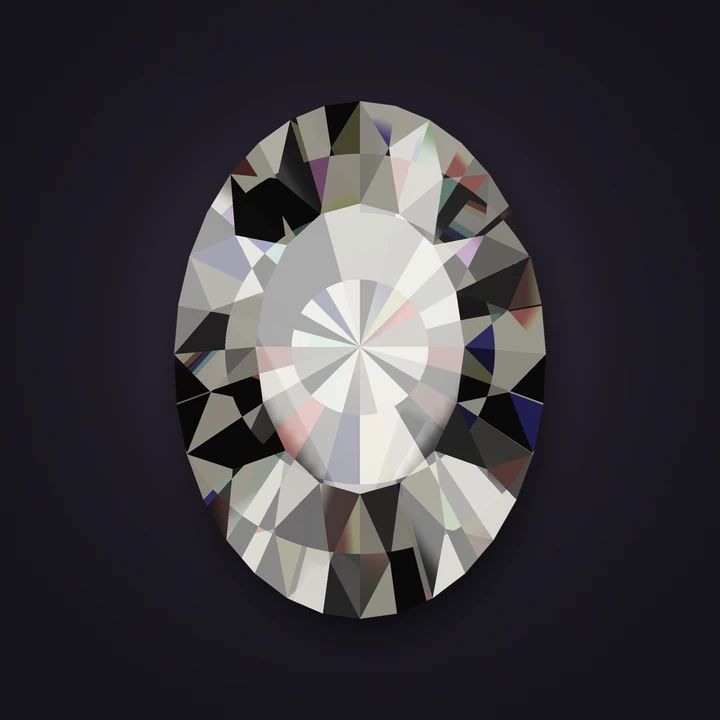 Oval Engagement Rings: How to Choose a Beautiful OneOval engagement ring guide: the best length-to-width ratio, judging the bow-tie, carat-to-mm sizes, flattering settings …
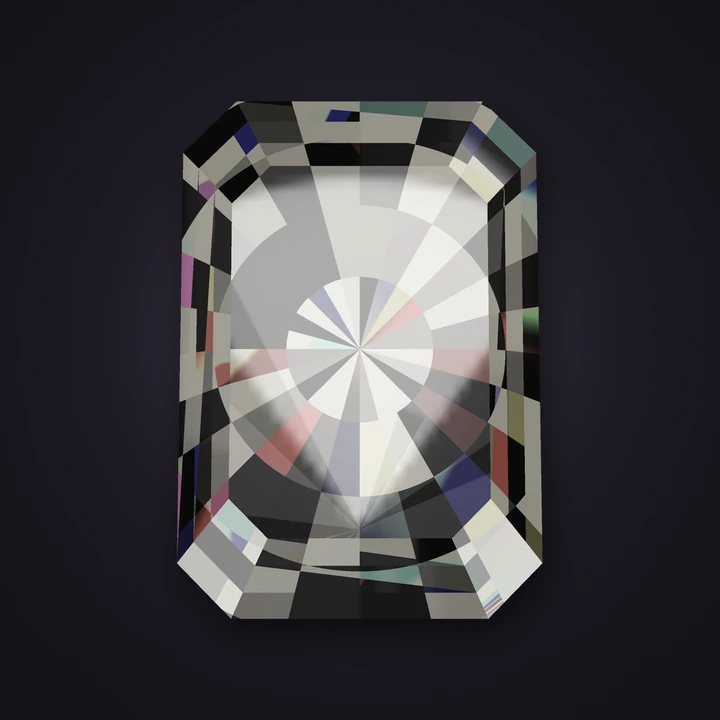 Emerald Cut Engagement Rings: Clarity, Sizes and StyleEmerald cut engagement ring guide: why clarity matters in step cuts, the best ratios, carat-to-mm sizes, settings, bands…
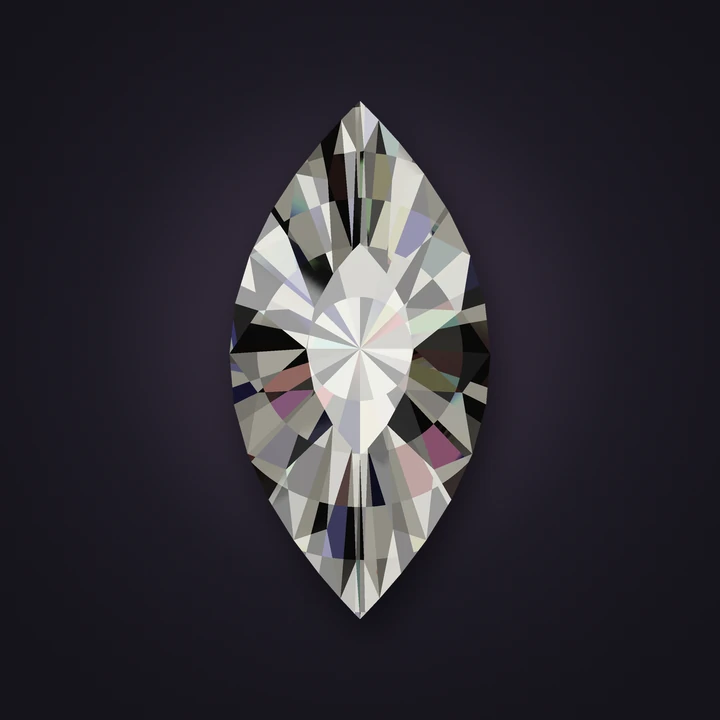 Marquise Engagement Rings: The Shape That Looks BiggestMarquise engagement ring guide: the ideal 1.85 to 2.10 ratio, bow-tie and symmetry checks, carat-to-mm sizes, tip protec…Bezel Set Engagement RingsBezel set engagement ring guide: full vs half bezels, how a metal rim affects sparkle and size, best shapes, durability,…Best Engagement Ring for Your Hand ShapeFind the best engagement ring for your hand shape: the stone shapes, sizes, settings and band widths that flatter short,…Minimalist Engagement RingsMinimalist engagement ring guide: thin bands, low settings, bezels and small stones, how to make a simple ring look inte…