 Ring Studio
Comparisons
Cushion vs Round Diamond
Cushion vs round is a choice between value and maximum sparkle: a cushion usually costs noticeably less per carat and has a soft, vintage glow, while a round brilliant sparkles the most and looks bigger at the same weight. A 1 ct round is about 6.5 mm across; a 1 ct square cushion about 5.5 to 6.0 mm.
On this page
- Looks bigger per carat
- Round
- Brightest sparkle
- Round
- Lower price per carat
- Cushion
- More vintage character
- Cushion
Cushion vs round side by side
| Cushion | Round brilliant | |
|---|---|---|
| Look | Soft square with rounded corners; romantic | Perfect circle; classic and clean |
| 1 ct face-up size | About 5.5 to 6.0 mm square | About 6.4 to 6.5 mm diameter |
| Sparkle | Big flashes or crushed ice; strong fire | Highest brilliance, very even |
| Durability | Rounded corners, no sharp points | No points |
| Maintenance | Deep base gathers grime; clean often | Standard cleaning |
| Colour tolerance | Shows colour a little more | Hides colour well |
| Price per carat | Among the lowest | The highest |
| Best for | Vintage, halo and value-led rings | Maximum sparkle and size per carat |
How the sparkle differs
The modern round brilliant was engineered for brightness, and a well-cut one is still the benchmark. Its circular symmetry means light is returned evenly across the whole stone. Rounds are also the only shape with a GIA cut grade, which takes much of the guesswork out; see diamond cut grades.
Cushions descend from the old mine cut, designed for candlelight. They tend to show larger, slower flashes and plenty of coloured fire, often described as a glow rather than a glitter. Modern "crushed ice" cushions break the light into many tiny sparkles instead. Neither is better; they look different, and you should see both before deciding. If you love the antique look, also consider the old mine cut.
Size: why rounds face up larger
Cushions are usually cut deeper, carrying more of their weight underneath. That helps their fire, but you do not see it from above. A 1 ct cushion typically faces up about 5.5 to 6.0 mm square, against 6.5 mm for a round. Because a square has more area than a circle of the same width, the visual gap is smaller than the numbers suggest, but most people still read the round as larger. A halo is a popular way to give a cushion more presence.
Price: where the cushion wins
Cushions are among the lower-priced shapes per carat; rounds are the most expensive. The difference can be substantial for natural stones and is smaller, in absolute terms, for lab-grown, whose prices have fallen sharply. Because cushions look smaller per carat, compare equal face-up sizes rather than equal weights. Even then, the cushion often comes out ahead on cost. See diamond price per carat for typical ranges.
Colour and clarity
Cushions hold body colour a little more, especially at the corners, so many people buy one grade whiter than they would in a round or choose yellow or rose gold to make warmth look intentional. Both shapes hide inclusions reasonably well, crushed-ice cushions particularly so.
Best settings for each shape
Rounds are the most versatile shape there is: a four- or six-prong solitaire, a halo, a three-stone design or a bezel all suit them. Because a round already sparkles intensely, simple settings let it do the work.
Cushions shine in settings that lean into their romance. A classic halo makes a cushion look noticeably larger, double prongs at the corners add vintage charm, and an engraved band completes a vintage-style ring. A hidden halo adds sparkle from the side without changing the cushion's outline from above.
Choose cushion if... choose round if...
- Choose cushion if you want a softer, romantic or vintage look, you love big flashes of fire, or you want more stone for your money and plan a halo.
- Choose round if you want the most sparkle and the largest look for the carat, a shape that is easiest to compare by cut grade, or the most classic option there is.
Compare them side by side in Ring Studio
Both cushion and round are free shapes in Ring Studio. Because the size difference per carat is subtle, it is worth seeing on your own hand.
- Build a round solitaire at your target carat, perhaps in four prongs.
- Switch the shape to cushion in the stone tray; try double prong tips at the corners for a vintage touch.
- Add a hidden halo or classic halo (Pro) to the cushion and see how much bigger it reads.
- Compare the live price estimates, then try both on with the camera (Pro).
Share both ring codes with your jeweller to quote real stones; the ring price estimator page explains how the estimate works.
Verdict
The round is the safe, sparkly, size-maximising choice and worth its premium if brilliance matters most. The cushion is the value and personality pick, with a softer outline and bold fire, and it shines in a halo. If you love vintage character, choose the cushion; if you want pure sparkle, choose the round.
Frequently asked questions
Does a cushion or round diamond look bigger?
A round looks bigger at the same weight. Cushions are cut deep, so a 1 ct cushion typically faces up around 5.5 to 6.0 mm square against about 6.5 mm for a round.
Is a cushion cut cheaper than a round?
Usually, and often by a meaningful amount per carat, because cushions use more of the rough diamond and are in less demand. Compare by face-up size, as you may need a little more carat in a cushion.
Do cushion cut diamonds sparkle?
Yes, very much, but differently. Many cushions show bigger, more dramatic flashes or a crushed-ice glitter, while rounds give the brightest, most even white sparkle.
Do cushion cuts show colour more than rounds?
Somewhat. Cushions tend to retain a little more body colour, especially in the corners, so many buyers choose one colour grade higher than they would in a round.
Are cushion cuts going out of style?
Cushions peaked in popularity in the 2010s and are less dominant now, but they remain a classic shape with deep historical roots and are still widely chosen.
Keep reading
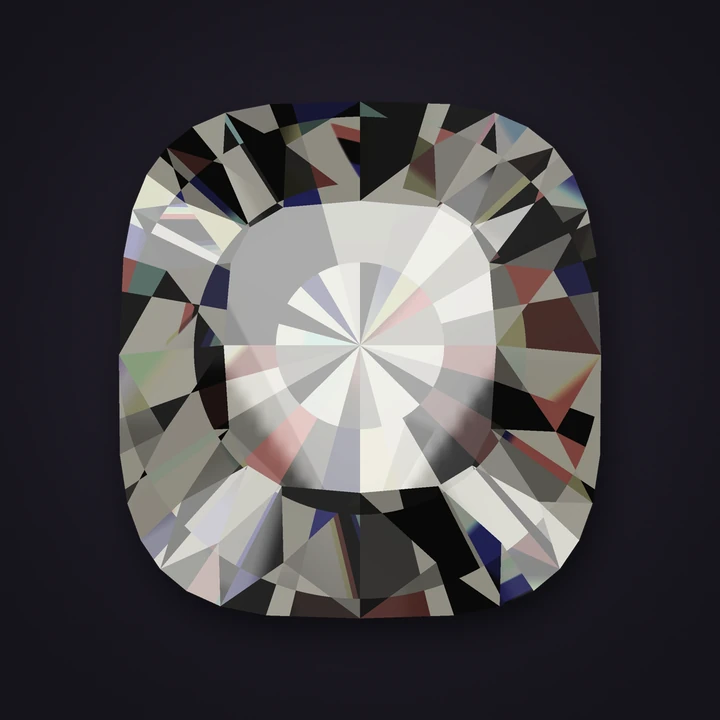 Stone shapesCushion Engagement Rings: Choosing the Right Cushion CutCushion engagement ring guide: crushed ice vs antique cushions, carat-to-mm sizes, colour tips, settings and wedding ban…
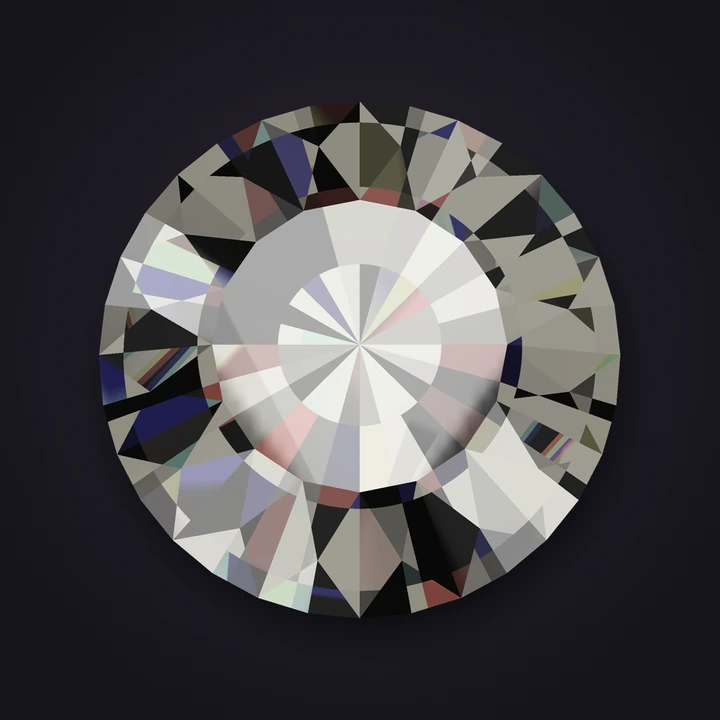 Stone shapesRound Engagement Rings: The Complete Buyer's GuideRound engagement ring guide: carat-to-mm sizes, cut grades that matter, best prong settings, band pairings and prices, p…ComparisonsPrincess vs Cushion CutPrincess vs cushion cut: the princess is a crisp modern square with sharp corners; the cushion is softer and more vintag…ComparisonsOval vs Elongated CushionOval vs elongated cushion: both are long and flattering, but the oval looks bigger per carat while the cushion has softe…GemstonesDiamond Color Chart: D to Z ExplainedDiamond color chart from D to Z: what each colour grade looks like, which grade suits platinum, white, yellow or rose go…Settings & stylesHalo Engagement RingsHalo engagement ring guide: how a halo adds face-up size, which shapes suit one, upkeep of small pavé stones, band pairi…