 Ring Studio
Settings & styles
Bezel Set Engagement Rings
A bezel set engagement ring holds the stone in a continuous rim of metal instead of prongs. It is the most secure, snag-free setting there is, with a sleek, modern look.
On this page
- What it is
- A metal rim wrapped around the stone's girdle
- Variations
- Full, half, scalloped, knife-edge, thin vs thick rim
- Best shapes
- Pear, marquise, round, oval, coloured stones
- Durability
- Excellent; protects edges and points
- Maintenance
- Very low; no prongs to wear
- Cost impact
- Similar to prongs; slightly more labour
How a bezel setting works
The jeweller builds a thin wall of metal, cut to the exact outline of the stone, with a ledge inside called a seat. The stone drops onto the seat, and the top of the wall is pushed and burnished over the girdle all the way round. The stone is then locked in by metal on every side.
Bezels are one of the oldest settings in jewellery, and they suit both clean modern rings and antique-inspired ones. A few variations change the feel considerably:
- Full bezel: metal all the way round. Maximum protection.
- Half bezel: metal on two sides only. More open, more light.
- Thin, low-profile rim: modern and minimal; shows the most stone.
- Thick or flared rim: bold and sculptural, often seen in yellow gold.
- Scalloped or decorated bezel: edges cut or textured for a vintage look.
Bezel vs prong at a glance
| Bezel | Prong | |
|---|---|---|
| Security | Highest | Good; depends on prong condition |
| Snagging | None | Can catch on fabric and hair |
| Light entry | Less from the sides | More |
| Stone visibility | Girdle covered | Almost all visible |
| Upkeep | Very little | Annual prong checks |
| Look | Sleek, modern or antique | Classic, airy |
See the full bezel vs prong comparison for more detail.
Which stone shapes suit a bezel?
Any shape can be bezel set, but some benefit more than others:
- Pear and marquise: the points are the most fragile part of these stones. A bezel removes that risk. See pear and marquise rings.
- Round and oval: a smooth continuous rim looks especially clean.
- Emerald and other step cuts: corners are protected; the rectangular rim looks architectural.
- Coloured gems: emeralds (Mohs 7.5 to 8) and other softer or more brittle stones benefit from full edge protection.
- Old cuts and rose cuts: a classic antique combination.
Bezels and apparent size
A bezel covers a tiny portion of the stone, but the metal outline becomes part of what the eye reads as the stone's edge. In white gold or platinum, a thin bezel can make a stone look a touch larger. A thick yellow gold rim frames the stone like a picture, which emphasises colour and shape more than size. Keep the rim thin if face-up size matters.
Sparkle and cleaning
Because the bezel closes off the sides of the stone, dirt has fewer ways to get underneath, but it is also harder to wash out once it does. An open gallery or small windows under the bezel let light in and give you somewhere to get a brush. Clean with warm soapy water and a soft brush from below. The bezel itself only needs attention if it is knocked hard enough to dent.
Best for active lifestyles
If you work with your hands, play sport, or simply hate catching your ring on jumpers, a bezel is the answer. There are no prongs to snag, bend or wear thin. Our guide to engagement rings for an active lifestyle covers this in depth.
Wedding band compatibility
Most bezel settings sit low and neat, so a straight band slides up against them easily. Wide, flared bezels can overhang the band; a slightly curved band or a raised head solves that.
What does a bezel setting cost?
A bezel setting typically costs about the same as a prong head, sometimes a little more because it is fitted precisely to the stone. As an estimate, expect a gold bezel solitaire mount in a similar range to a prong solitaire mount from the same jeweller. A thick, heavy bezel uses more metal, which matters more in platinum. Prices vary by retailer, quality and market.
Designing a bezel set ring in Ring Studio
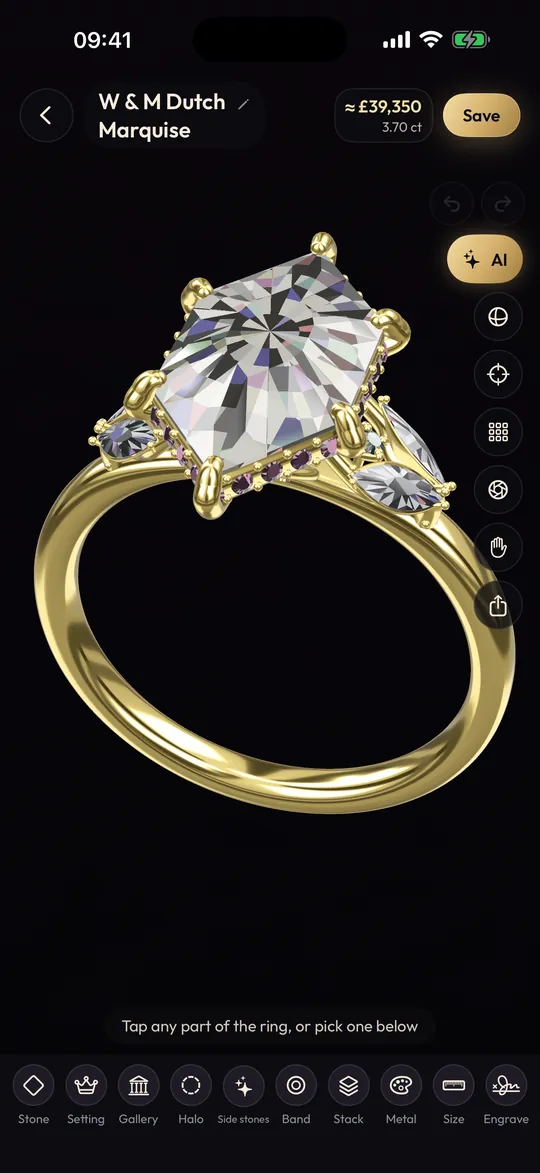
- Pick a stone shape and carat. Try pear or marquise to see how the bezel protects the points.
- Choose bezel as the setting.
- Pick a gallery: open or rail for a light side view.
- Choose a plain band for a minimal look or a knife edge band for sharper lines.
- Compare yellow gold with platinum to see the frame effect change.
For a modern twist, turn an oval or emerald to east-west in a bezel; see east-west engagement rings. The core designer is free; Pro adds unlimited AI design, try-on and all 28 shapes.
Who should choose a bezel?
Choose a bezel if you want a ring you never have to worry about, prefer clean lines, or have a pointed or delicate stone. If maximum sparkle and an airy look matter most, prongs are still the stronger choice. For more pared-back ideas, see minimalist engagement rings, and for the classic warm-metal frame, yellow gold engagement rings.
Frequently asked questions
Does a bezel setting make a diamond look smaller?
The metal rim covers a sliver of the girdle, but it also adds a thin outline that extends the visual edge. White metal bezels tend to blend with the stone and can make it read slightly larger; yellow gold bezels frame it more distinctly.
Does a bezel setting reduce sparkle?
A little less light enters through the sides of the stone than with an open prong setting, so a well-cut diamond still sparkles strongly face-up. An open gallery under the bezel helps light in and makes cleaning easier.
Is a bezel setting good for active people?
Yes. With no prongs to catch or bend and the girdle fully protected, it is the best choice for nurses, climbers, parents of small children and anyone who works with their hands.
What is a half bezel?
A half bezel covers only two sides of the stone, usually left and right, leaving the top and bottom open. It is more open and shows more of the stone while still protecting the sides.
Can a bezel setting be repaired or the stone removed?
Yes, but it takes more work than prongs because the metal rim has to be carefully lifted and reset. Ask your jeweller about this if you might reset the stone later.
Keep reading
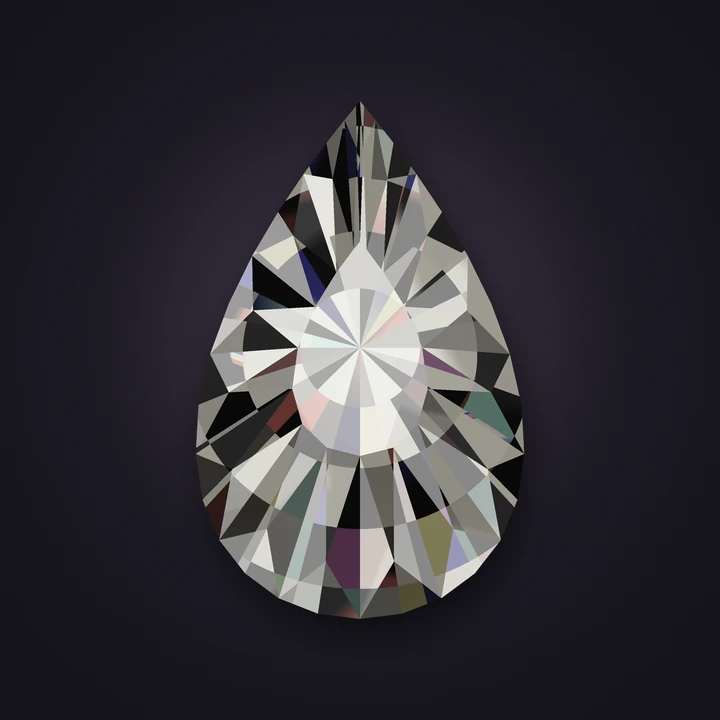 Stone shapesPear Engagement Rings: Choosing a Teardrop DiamondPear engagement ring guide: the best ratios, judging the bow-tie and shoulders, carat-to-mm sizes, protecting the tip, b…
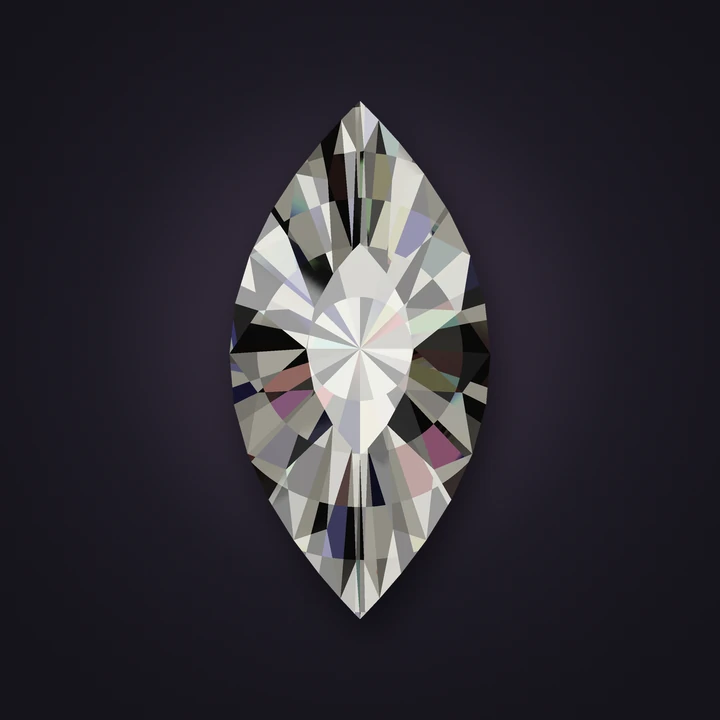 Stone shapesMarquise Engagement Rings: The Shape That Looks BiggestMarquise engagement ring guide: the ideal 1.85 to 2.10 ratio, bow-tie and symmetry checks, carat-to-mm sizes, tip protec…MetalsYellow Gold Engagement RingsYellow gold engagement rings explained: 9k vs 14k vs 18k, which diamond colours look best, how it wears over time, and h…