 Ring Studio
Old Mine Cut Engagement Rings
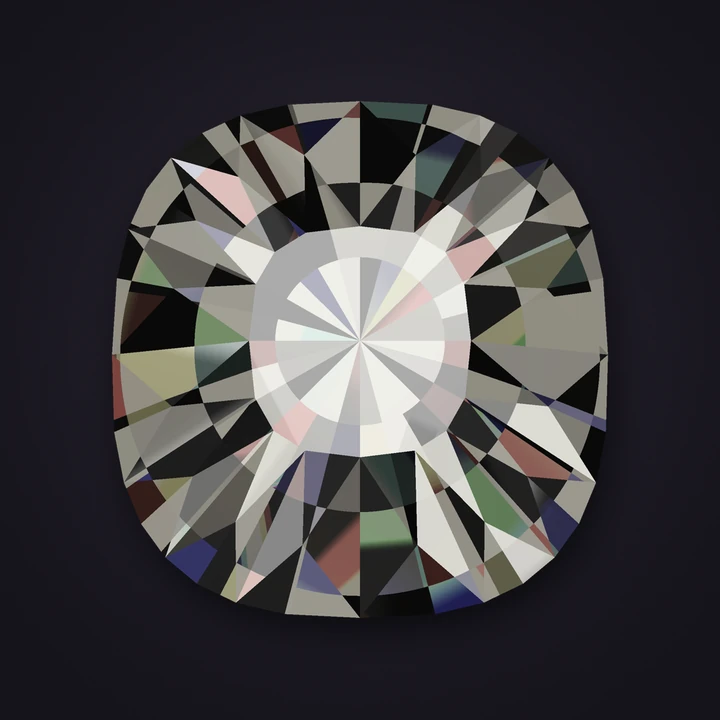
An old mine cut engagement ring centres on a hand-cut antique diamond with a squarish, cushion-like outline, a high crown, a small table and an open culet. Its broad, chunky flashes look like candlelight, and every stone is a little different.
On this page
- The history of the old mine cut
- Old mine cut sizes: approximate carat to mm
- How to judge an old mine diamond
- Sourcing: antique, new cut or lab-grown
- Best settings for an old mine cut
- Wedding bands with an old mine ring
- Old mine cut pros and cons
- How much does an old mine cut ring cost?
- Design an old mine cut ring in Ring Studio
- Related antique cuts
- Facets
- Usually 58, including an open (visible) culet
- Length-to-width
- Roughly 1.00 to 1.15; antiques vary
- Look
- Soft square, chunky flashes, visible culet, candlelit glow
- Best settings
- Custom-fitted prongs or bezel, collet, vintage halos, yellow gold
- Price vs round
- Antiques are priced individually; often less per carat than a modern round of the same grades, but rare fine examples command premiums
The history of the old mine cut
Before modern machinery, diamonds were cut by hand, following the shape of the rough crystal to keep as much weight as possible. By the early eighteenth century this produced the old mine cut: a cushion-shaped brilliant with 58 facets, a high crown, a small table and a deep pavilion. Brazilian deposits, discovered in the 1720s, and the older Indian mines supplied most stones, which is the usual explanation for the name.
These diamonds were designed for candlelight. Their big facets throw broad, warm flashes rather than glitter. When the large South African finds of the late nineteenth century and new cutting tools arrived, the round old European cut gradually replaced them. That is why a true old mine diamond is usually from the Georgian or Victorian era.
Old mine cut sizes: approximate carat to mm
Antique stones vary wildly in depth and outline, so treat these as a rough guide only. Most old mines face up smaller than a modern round of the same weight because so much of the stone sits in the crown and pavilion.
| Carat | Approx. face-up size | Modern round of similar width |
|---|---|---|
| 0.50 ct | 4.7 x 4.6 mm | About 0.40 ct |
| 0.75 ct | 5.3 x 5.2 mm | About 0.55 ct |
| 1.00 ct | 5.9 x 5.7 mm | About 0.75 ct |
| 1.50 ct | 6.7 x 6.5 mm | About 1.15 ct |
| 2.00 ct | 7.4 x 7.2 mm | About 1.5 ct |
| 3.00 ct | 8.4 x 8.2 mm | About 2.2 ct |
How to judge an old mine diamond
Forget the modern ideal-cut checklist. Old mines were never cut to a formula, and their charm lies partly in irregularity. Instead, look for:
- Character, not perfection: a slightly uneven outline or off-centre culet is normal. Extreme lopsidedness, however, makes setting awkward.
- The culet: an open culet appears as a small dot or octagon in the centre. It is a hallmark of the cut, not a flaw, but a very large one can look like a hole.
- Colour: many antiques are warm, in the J to M range or lower. Warmth suits the cut and is often part of the appeal, especially in yellow gold. Bright white old mines exist but cost more.
- Clarity: inclusions are common; the big facets show some, but the chunky pattern hides others. Judge eye-cleanliness in person.
- Durability: check for old chips, worn facet edges and girdle damage, which are normal on antiques and sometimes polished away.
- Documentation: a lab report confirms the stone is natural and untreated. Reports may describe the shape as an antique cushion; our certificates guide explains the main labs.
Some dealers recut antique diamonds into modern shapes, losing their history. If you buy an old mine for its character, ask whether the stone has been repolished and avoid "improved" stones if originality matters to you.
Sourcing: antique, new cut or lab-grown
- Antique stones: found through estate jewellers, auction houses and specialist dealers, often removed from old brooches or rings. Every stone is unique, which makes matching pairs very difficult.
- New natural "old mine style": a handful of cutters produce new stones to the old proportions, usually more symmetrical than true antiques.
- Lab-grown old mine cuts: increasingly available and far more affordable, though without the history.
- Family stones: if you have an inherited ring, the stone may already be an old mine. See redesigning an old ring.
Best settings for an old mine cut
Because antique stones are irregular, the head is usually made to fit the specific diamond. Four or six claw or double prongs placed at the soft corners are classic, and an eight prong setting gives a gentle, vintage feel. Low collet or bezel settings suit the high crown and protect worn edges. Yellow gold, or yellow gold with a platinum or white gold head, is the traditional pairing. A halo of small old-cut diamonds completes a Victorian look; see vintage engagement rings.
Wedding bands with an old mine ring
Old mines often sit high because of their deep pavilion, so a straight band may leave a gap. A plain yellow gold band, a hand-engraved band or a slim band of small old-cut diamonds suits the period look. A gently curved band helps if the head is wide.
Old mine cut pros and cons
| Pros | Cons |
|---|---|
| Genuine history and character | Faces up small for its weight |
| Warm, broad flashes of light | Often warm colour and visible inclusions |
| Recycled stones avoid new mining | Antiques can have chips and wear |
| Every stone is one of a kind | Hard to compare, match or replace |
How much does an old mine cut ring cost?
Antique old mines are priced stone by stone. Warm colours and visible inclusions can make them cheaper per carat than a modern round, while bright, well-proportioned stones with good provenance can cost more. Antique settings add their own value. New old-mine-style natural stones are usually priced as specialist cuts, and lab-grown versions cost far less. Prices vary widely by dealer and market.
Design an old mine cut ring in Ring Studio
Old mine is one of Ring Studio's Pro shapes.
- Choose Old mine from the stone tray and set the carat.
- Try a 4 prong head with double tips, then compare 8 prong and bezel settings.
- Pick yellow gold, or two-tone with Pro for a white-metal head on a yellow band.
- Add a classic halo and an engraved vintage band for a Victorian feel.
- Add hidden initials under the stone for a personal heirloom detail.
If you already own an antique stone, design the setting around it and give the ring code to your jeweller, who will fit the head to your actual diamond.
Related antique cuts
For a round antique, read about old European cut rings. For a modern relative with a similar outline, see the cushion, and for the story behind these stones, the history of the engagement ring.
Frequently asked questions
What is an old mine cut diamond?
It is an antique brilliant cut with a softly square, cushion-like outline, a small table, a tall crown, a deep pavilion and usually an open culet. Old mine cuts were the leading diamond style of the eighteenth and much of the nineteenth century.
Why is it called an old mine cut?
The name is usually linked to the 'old mines' of India and Brazil, the main diamond sources before the South African discoveries of the late 1800s.
Can you still buy old mine cut diamonds?
Yes. Genuine antiques come from estate jewellery and specialist dealers, and some cutters now produce new old-mine-style stones, including lab-grown versions.
Are old mine diamonds less sparkly?
They sparkle differently. Instead of the bright, fine sparkle of a modern round, they give larger, slower flashes of light and colour, which many people find warmer and more romantic.
What is the difference between old mine and old European cuts?
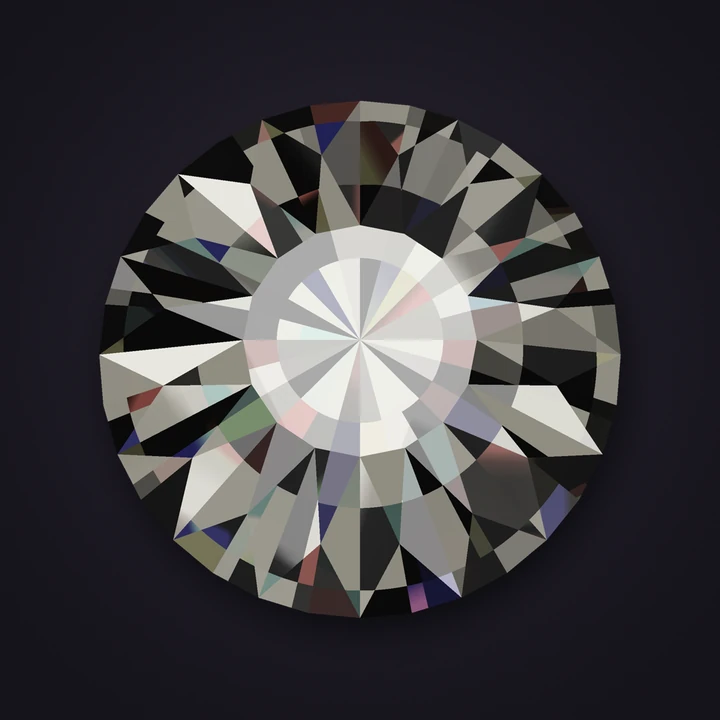
An old mine cut has a squarish cushion outline, while an old European cut is round. The old European came later, once lathes made round outlines practical.
Keep reading
 Old European Cut Engagement RingsOld European cut engagement ring guide: history, how it differs from a modern round, sizes, colour and clarity, antique …
 Cushion Engagement Rings: Choosing the Right Cushion CutCushion engagement ring guide: crushed ice vs antique cushions, carat-to-mm sizes, colour tips, settings and wedding ban…Vintage Engagement RingsVintage engagement ring guide: Georgian to retro eras, old mine and old European cuts, milgrain and engraving, buying an…Redesigning an Old or Inherited RingRedesigning an old or inherited ring: reset the stone, remodel or reuse the gold, what jewellers check first, what drive…The History of the Engagement RingThe history of the engagement ring, from Roman betrothal rings and the 1477 diamond ring for Mary of Burgundy to posy ri…Yellow Gold Engagement RingsYellow gold engagement rings explained: 9k vs 14k vs 18k, which diamond colours look best, how it wears over time, and h…