 Ring Studio
Stone shapes
Old European Cut Engagement Rings
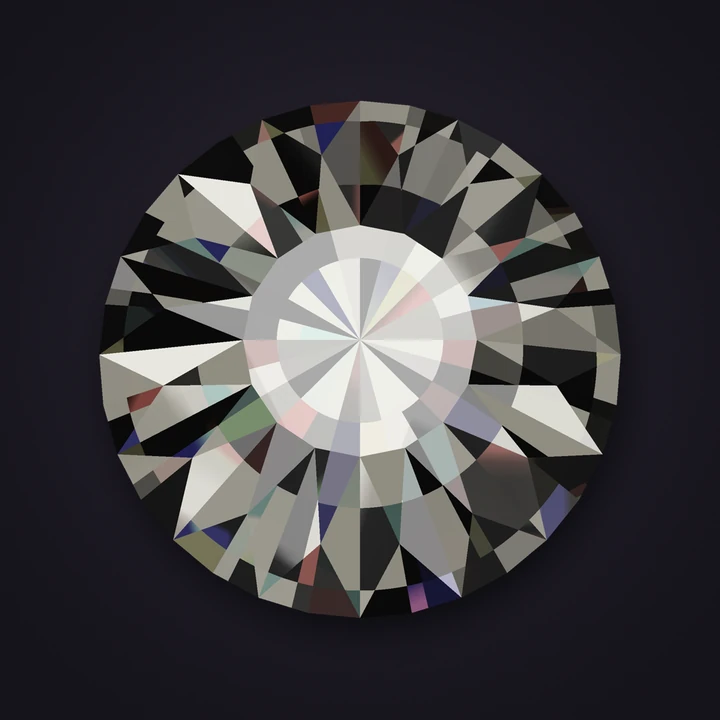
An old European cut engagement ring sets the round antique diamond that bridged the hand-cut past and the modern brilliant. With a small table, tall crown and open culet, it gives big, flower-like flashes and a soft glow that modern rounds don't have.
On this page
- From hand cutting to the modern brilliant
- Old European cut sizes: carat to mm
- How to spot and judge an old European cut
- Sourcing an old European diamond
- Best settings for an old European cut
- Wedding bands for old European rings
- Old European pros and cons
- How much does an old European cut ring cost?
- Caring for an antique cut
- How to design an old European cut ring in Ring Studio
- Old European vs other cuts
- Facets
- 58, usually with an open culet
- Length-to-width
- About 1.00 to 1.03; hand-finished stones can be slightly out of round
- Look
- Round, chunky flower-petal flashes, warm glow, visible culet
- Best settings
- 6 or 8 prong, bezel, milgrain halos, Edwardian and Art Deco mounts
- Price vs round
- Often less per carat than a modern round of the same grades; fine antiques priced individually
From hand cutting to the modern brilliant
In the late nineteenth century, mechanical bruting (rounding) made perfectly round outlines practical for the first time. Cutters took the antique brilliant pattern of the old mine cut and applied it to a circle, creating the old European cut. It dominated the Edwardian and early Art Deco years.
In 1919 Marcel Tolkowsky published his analysis of how light behaves in a round diamond, which pointed toward a lower crown, a larger table and a sharper culet. Over the following decades, those ideas and better tools evolved the old European into the modern round brilliant. The old European did not disappear overnight, which is why many stones in 1920s and 1930s rings are transitional cuts with features of both.
Old European cut sizes: carat to mm
With more weight in the crown and pavilion, old Europeans face up smaller than modern rounds of the same carat. These figures are approximate; antiques vary.
| Carat | Approx. diameter | Modern round diameter |
|---|---|---|
| 0.50 ct | 4.9 to 5.0 mm | 5.1 to 5.2 mm |
| 0.75 ct | 5.5 to 5.7 mm | 5.8 to 5.9 mm |
| 1.00 ct | 6.1 to 6.3 mm | 6.4 to 6.5 mm |
| 1.50 ct | 6.9 to 7.1 mm | 7.3 to 7.4 mm |
| 2.00 ct | 7.6 to 7.9 mm | 8.0 to 8.2 mm |
| 3.00 ct | 8.7 to 9.0 mm | 9.2 to 9.4 mm |
How to spot and judge an old European cut
- Small table: often under about 53% of the diameter, compared with 54 to 58% on modern rounds.
- High crown: crown angles are steeper, which creates more fire (coloured flashes).
- Open culet: a small polished facet at the bottom shows as a dot in the centre. Too large a culet looks like a hole.
- Shorter lower-half facets: these produce the broad, wedge-shaped flashes that look like flower petals.
- Colour: many antique stones are warm, roughly J to M. The cut's fire suits warmth, and yellow gold makes it look intentional. Whiter stones command higher prices.
- Condition: look for chips at the girdle and abraded facet edges, common after a century of wear.
- Grading: labs such as GIA do not give old European cuts the same cut grade as modern rounds, and report wording varies. See diamond cut grades for why.
Some sellers label any older round as old European. If the cut matters to you, look for the open culet and small table yourself, and ask for the report wording.
Sourcing an old European diamond
Most genuine old European cuts come from estate jewellery, auction houses and dealers who specialise in antique stones. Because demand for vintage looks has risen, good examples over 1 carat have become harder to find. Two newer routes exist: new natural diamonds cut to old European proportions by specialist cutters, and lab-grown old European cuts, which are affordable and readily made to a target size. Inherited stones are often old Europeans; our guide to redesigning an old ring covers reusing one.
Best settings for an old European cut
Old Europeans suit the jewellery of their era. Six or eight prong heads echo Edwardian claw settings and hold the stone securely. A slim bezel or a millegrain-edged collet protects worn girdles. Milgrain halos and engraved shanks lead into Art Deco territory, while a simple platinum solitaire, the dominant metal of the period, lets the stone speak. Modern minimalist settings can look surprisingly fresh with an antique cut.
Wedding bands for old European rings
Old Europeans tend to be deep, so the head often sits a little higher. A straight band may still sit flush with a low setting; otherwise choose a curved band. Engraved or milgrain bands match the period; a fine band of small round diamonds complements the sparkle.
Old European pros and cons
| Pros | Cons |
|---|---|
| Strong fire and soft, romantic glow | Faces up slightly smaller than a modern round |
| Authentic antique character | Often warmer colour |
| Recycled stone with no new mining | May have wear or chips |
| Often good value per carat | Fewer stones and less consistent grading |
How much does an old European cut ring cost?
Old Europeans are priced individually. Warmer, included stones can be good value per carat, while bright, well-proportioned examples are sought after and can match or exceed modern rounds of similar grades. Original Edwardian or Art Deco mounts add their own value. New-cut and lab-grown old Europeans give the look at lower cost. All prices vary by dealer and market.
Caring for an antique cut
Century-old stones may have small chips or abraded edges, so ask your jeweller to check the girdle before setting and to avoid excessive pressure when tightening prongs.
How to design an old European cut ring in Ring Studio
Old European is one of the Pro shapes in Ring Studio.
- Select Old European in the stone tray and set the carat.
- Compare 6 prong and 8 prong heads, then try a bezel.
- Choose platinum for an Edwardian look or yellow gold for warmth.
- Add a classic halo and an engraved vintage band.
- Switch to the free Round shape on the same ring to compare it with a modern brilliant.
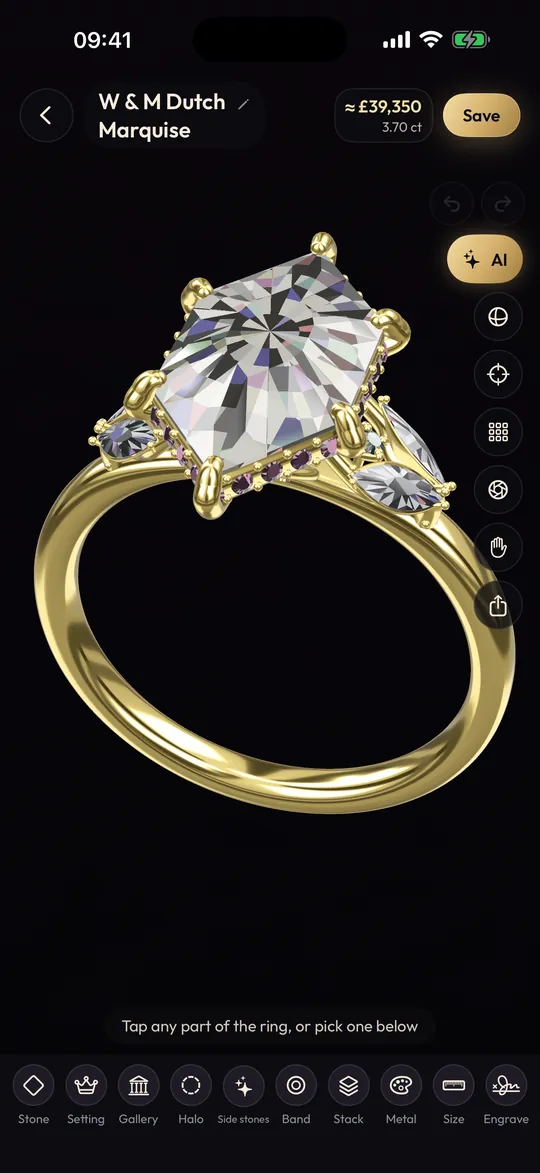
If you are resetting a family stone, design the new mount in the app and give your jeweller the ring code; they will fit it to the exact measurements of your diamond.
Old European vs other cuts
For a squarer antique, see the old mine cut. For modern precision, compare it with the round brilliant, and for period styling ideas, browse vintage engagement rings.
Frequently asked questions
What is an old European cut diamond?
It is a round brilliant cut used from roughly the 1890s to the 1930s, with 58 facets, a small table, a high crown, a deep pavilion and usually an open culet. It is the direct ancestor of today's round brilliant.
How is an old European cut different from a modern round?
A modern round has a larger table, a lower crown, longer lower facets and a pointed culet, giving fine, bright sparkle. An old European has chunkier facets and a visible culet, giving broader flashes and a softer, warmer look.
Are old European cut diamonds worth less?
Not necessarily. They often cost less per carat than modern rounds of identical grades, but well-proportioned, bright examples are sought after by collectors and can command premiums.
How can you tell if a diamond is an old European cut?
Look down through the table for a small circle or octagon in the centre (the open culet) and broad, wedge-shaped flashes radiating outward. A gemmologist or lab report can confirm it.
Can old European cuts be lab-grown?
Yes. Some cutters now produce lab-grown and new natural diamonds in old European proportions for people who want the look without an antique's wear or price.
Keep reading
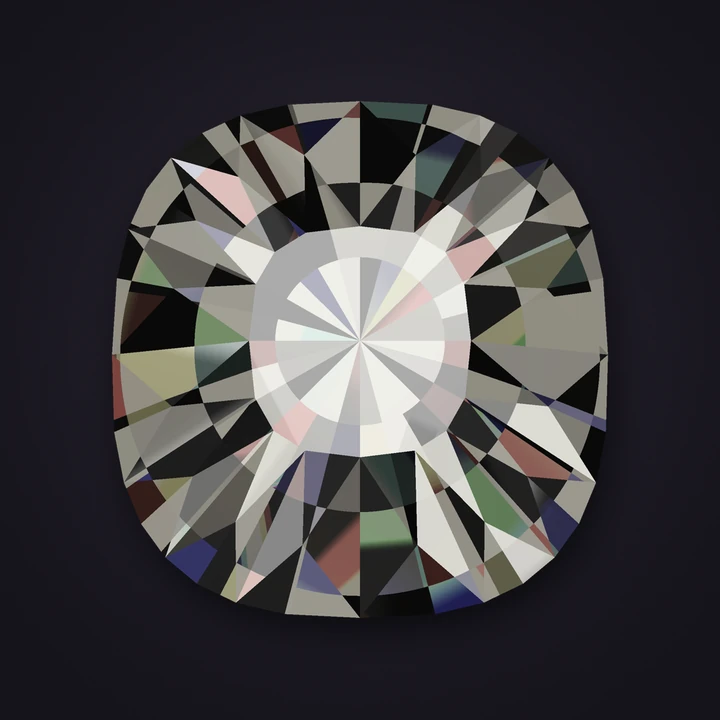 Stone shapesOld Mine Cut Engagement RingsOld mine cut engagement ring guide: history, spotting a true antique, sizes, colour and clarity expectations, antique vs…
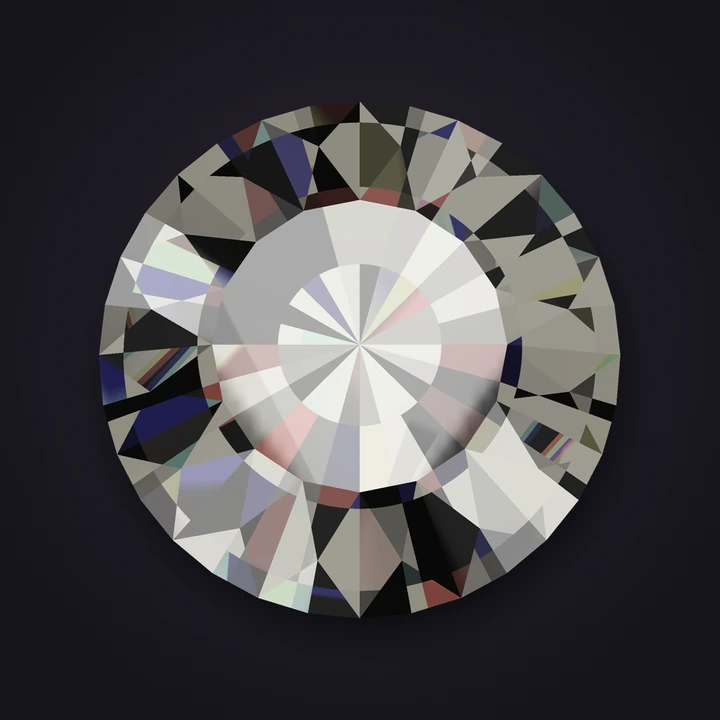 Stone shapesRound Engagement Rings: The Complete Buyer's GuideRound engagement ring guide: carat-to-mm sizes, cut grades that matter, best prong settings, band pairings and prices, p…Settings & stylesArt Deco Engagement RingsArt Deco engagement ring guide: 1920s-30s design traits, asscher, emerald, octagon and hexagon cuts, calibré colour, mil…Settings & stylesVintage Engagement RingsVintage engagement ring guide: Georgian to retro eras, old mine and old European cuts, milgrain and engraving, buying an…GuidesRedesigning an Old or Inherited RingRedesigning an old or inherited ring: reset the stone, remodel or reuse the gold, what jewellers check first, what drive…GemstonesDiamond Cut GradesDiamond cut grades explained: what GIA Excellent to Poor means, ideal proportions for round diamonds, how fancy shapes a…