 Ring Studio
Art Deco Engagement Rings
Art Deco engagement rings come from the 1920s and early 1930s, or are made in that style today: bold geometry, step-cut stones, platinum and crisp contrasts of colour. They suit anyone who likes structure, symmetry and a bit of glamour.
On this page
- Period
- c.1920-1935; also modern Deco-inspired
- Key cuts
- Asscher, emerald, baguette, octagon, old European
- Design traits
- Geometry, symmetry, step cuts, colour contrast, milgrain
- Metal
- Platinum and white gold, classically
- Durability
- Good new; antiques need checking
- In Ring Studio
- Step cuts, hexagon/octagon, baguettes, engraved band
What defines the Art Deco look
Art Deco rings react against the soft, floral lines of the Edwardian and Art Nouveau periods. Everything becomes geometric: octagons, hexagons, stepped outlines, sunbursts and fan shapes. Stones are arranged with strict symmetry, often in tiers that build up to the centre. Platinum's strength allowed fine openwork and slim, precise settings.
Signature features:
- Step cuts: emerald, asscher, baguette and carré cuts, with clean flashes rather than scattered sparkle.
- Calibré stones: coloured gems cut precisely to fit a design, such as lines of sapphire or onyx.
- Colour contrast: white diamonds against blue sapphire, red ruby, green emerald or black onyx.
- Milgrain and engraving: beaded edges and engraved band sides.
- Openwork and geometric halos: square or octagonal frames rather than round ones.
Best stone shapes for Art Deco rings
| Shape | Why it fits Deco |
|---|---|
| Asscher | The quintessential Deco cut: square, stepped, with an X pattern |
| Emerald | Long, architectural flashes; see emerald cut rings |
| Octagon | A geometric step cut that suits the period's outlines |
| Hexagon | Six-sided geometry; a modern Deco favourite |
| Old European | The round diamond of the period |
| Baguette and tapered baguette | Side stones and stepped shoulders |
| Kite, shield, trapezoid | Geometric side stones in modern Deco designs |
For more on individual cuts, see asscher, octagon and hexagon engagement rings.
Effect on apparent size
Step cuts have large tables and shallower crowns, so they often look a similar size or slightly smaller face-up than a round brilliant of the same weight, with an asscher's square outline looking especially compact. Deco designs make up for this with geometric halos, tiered shoulders and baguette side stones that widen the head and make the ring read substantial.
Durability and care
Step cuts show inclusions more clearly than brilliants, so clarity matters, and their corners should be protected by prongs or a bezel. Original Deco rings often have fine openwork and milgrain that can wear thin over a century; check prongs and edges before daily wear. Calibré coloured stones can work loose or chip and are tricky to replace, because they were cut to fit. Clean gently with warm soapy water; avoid ultrasonic cleaning on antique pieces with coloured stones.
Wedding bands with Art Deco rings
Deco heads are often wide and stepped. A straight baguette or milgrain band suits the period but may leave a gap; a custom band following the shoulders is common. Slim white metal bands keep the Deco crispness.
Art Deco ring cost
Original Deco rings vary from modest to very expensive depending on stones, condition and maker. New Deco-inspired rings with step-cut centres and baguette shoulders usually cost more than a solitaire because of the extra stones and setting work. Step-cut diamonds may be priced a little differently from rounds of the same weight. Treat any figure as an estimate; prices vary by seller, quality and market.
Original Deco or Deco-inspired?
| Original (c.1920-1935) | Deco-inspired (new) | |
|---|---|---|
| Stones | Old European, early step cuts, calibré gems | Modern cuts or reproduction antique cuts |
| Condition | Varies; may need restoration | New |
| Sizing | Fixed; resizing intricate pieces can be tricky | Made to your size |
| Uniqueness | Genuinely one of a kind | Can be customised |
| Metal | Mostly platinum or white gold | Any metal |
If you buy an original, ask for the stones to be checked, the prongs and milgrain inspected, and the platinum or gold tested. A good antique dealer will be open about any replacements or repairs.
Designing an Art Deco ring in Ring Studio
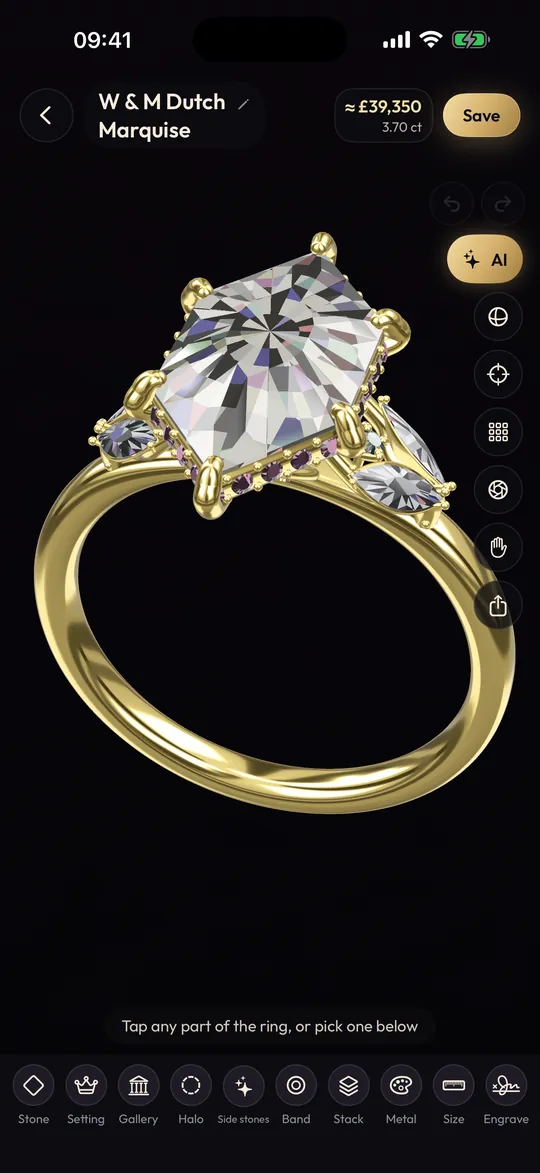
- Choose a step cut: emerald, asscher or octagon (all in the free set), or hexagon, kite or old European with Pro.
- Pick a setting: four prong or bezel for a step cut, or compass prongs for a rotated, geometric head.
- Add side stones: baguettes for stepped shoulders or kites for geometric flare. See tapered baguette rings.
- Choose the engraved (vintage) band and platinum or white gold.
- For colour, pick a blue sapphire or ruby centre, or try a black diamond for an onyx-like contrast.
Ring Studio has no milgrain or filigree setting, so ask your jeweller to add those edges when they make it.
Art Deco or another vintage era?
If you prefer softer lines, warm gold and floral clusters, look at Georgian and Victorian styles in our vintage engagement rings guide. If geometry is what you love, Art Deco is the most coherent and recognisable era to design from.
Frequently asked questions
What makes a ring Art Deco?
Strong geometric outlines, symmetry, step-cut and calibré-cut stones, platinum or white metal, and details such as milgrain and openwork. Contrast between white diamonds and black or coloured stones is also typical.
When was the Art Deco period?
Roughly from the early 1920s to the mid-1930s, following the Edwardian era. The style takes its name from a 1925 Paris exhibition of decorative arts.
Which diamond shapes are Art Deco?
Asscher and emerald cuts are the most associated, along with baguettes, octagons, old European cuts, and shapes such as hexagon, kite and shield in modern Deco-inspired designs.
Are original Art Deco rings expensive?
It depends on the stones, condition and maker. Many are reasonably priced for the craftsmanship, but signed pieces and those with large stones can be costly. Expect possible restoration.
Is yellow gold Art Deco?
Platinum and white gold dominated the period, so white metal is the classic Deco look. Yellow gold Deco-inspired rings are popular today but are a modern interpretation.
Keep reading
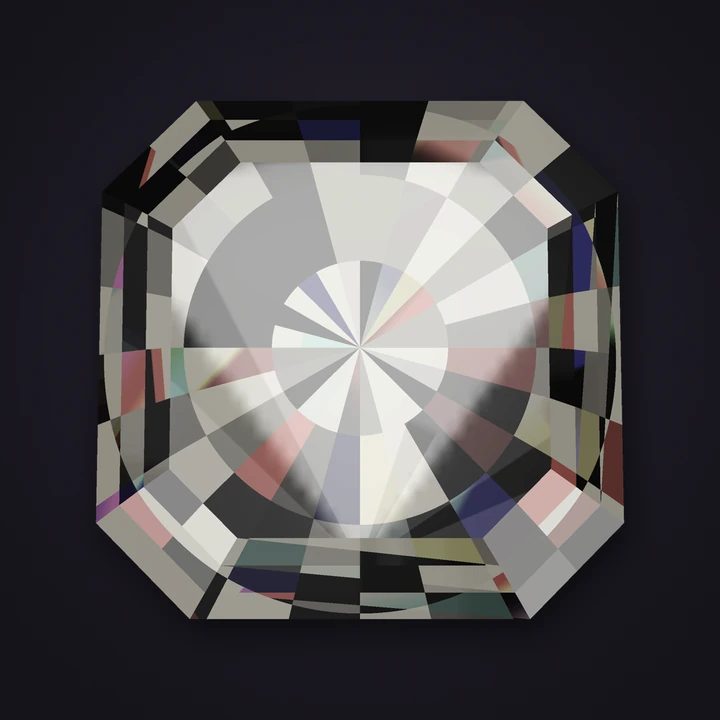 Asscher Cut Engagement RingsAsscher engagement ring guide: the windmill pattern, step-cut clarity and colour advice, carat-to-mm sizes, Art Deco set…
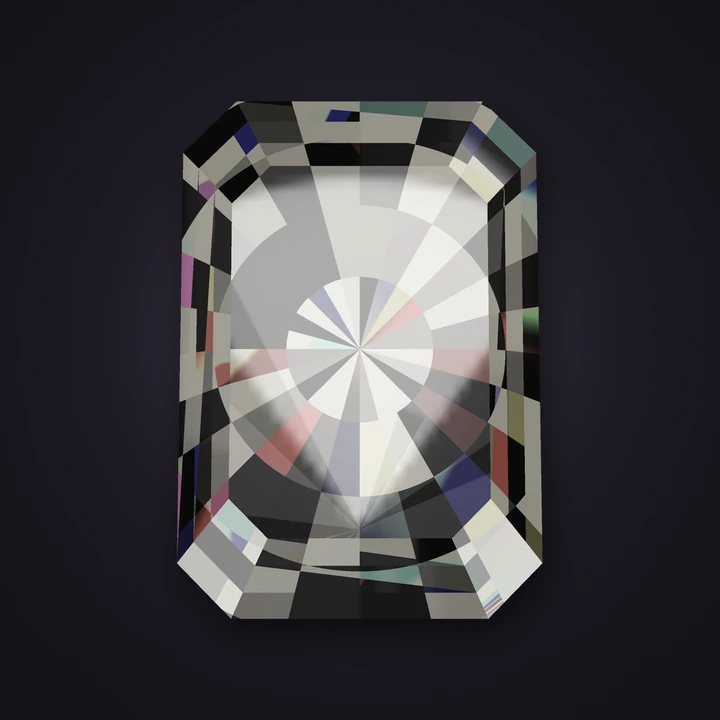 Emerald Cut Engagement Rings: Clarity, Sizes and StyleEmerald cut engagement ring guide: why clarity matters in step cuts, the best ratios, carat-to-mm sizes, settings, bands…
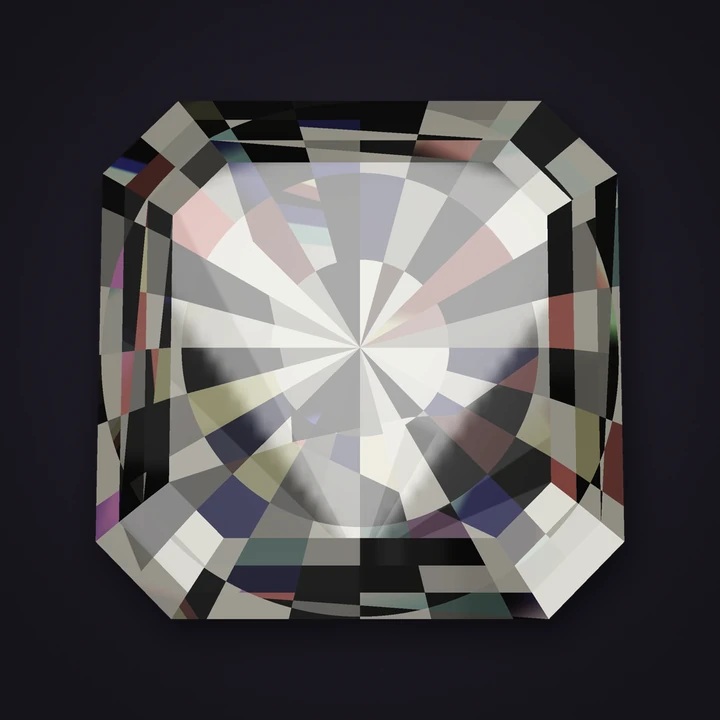 Octagon Engagement RingsOctagon engagement ring guide: how octagons differ from Asscher and emerald cuts, approximate sizes, clarity tips, eight…
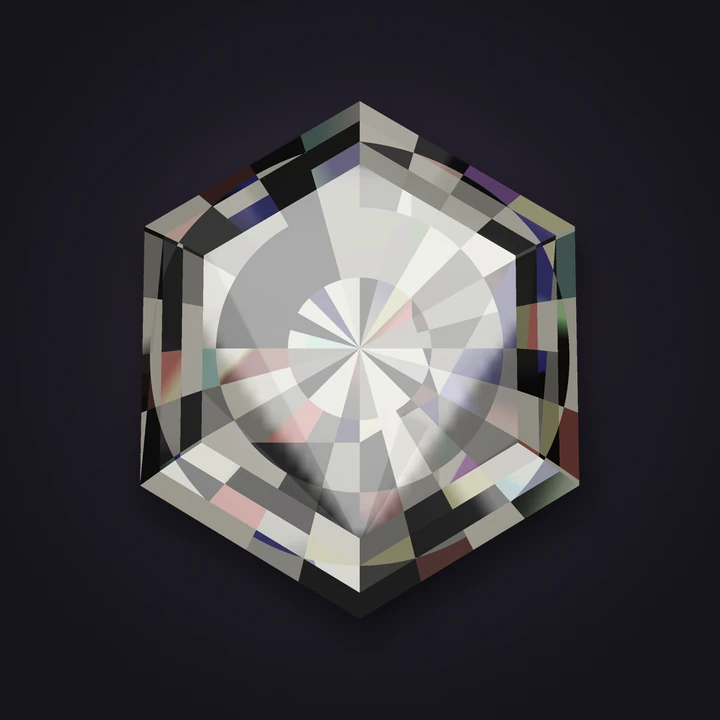 Hexagon Engagement RingsHexagon engagement ring guide: regular vs elongated hexagons, step vs brilliant cuts, approximate sizes, sourcing, six-p…Tapered Baguette Engagement RingsTapered baguette engagement rings flank the centre stone with narrowing step-cut side stones. See best centre shapes, si…