 Ring Studio
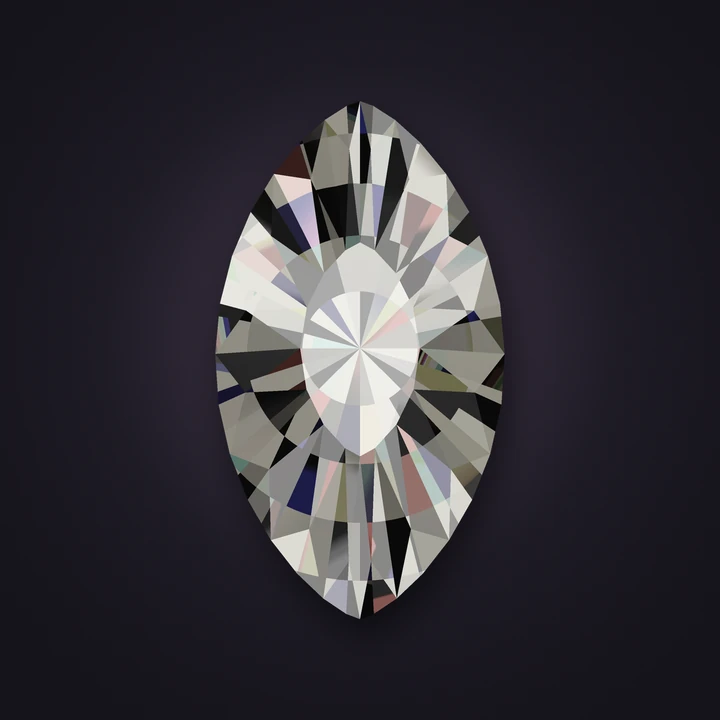
Moval Engagement Rings: Between Marquise and Oval
A moval engagement ring uses a newer hybrid shape that sits between a marquise and an oval: long and slim like a marquise, but with softly rounded ends instead of sharp points. It gives a dramatic, finger-lengthening look without vulnerable tips.
On this page
- Where the moval came from
- Moval sizes: approximate carat to mm
- What to check before buying a moval
- Sourcing a moval diamond
- Best settings for a moval
- Wedding bands for moval rings
- Moval pros and cons
- How much does a moval ring cost?
- Is the moval just a trend?
- Designing a moval ring in Ring Studio
- Moval vs oval and marquise
- Facets
- Brilliant-style; count varies by cutter
- Length-to-width
- Roughly 1.60 to 1.90
- Look
- Slim, elongated, softly tapered ends; sleek and current
- Best settings
- 4 or 6 prong solitaire, hidden halo, east-west, slim bands
- Price vs round
- Varies; natural movals are scarce, lab-grown movals are widely available and affordable
Where the moval came from
The moval is a recent arrival, appearing in the early 2020s as cutters and ring designers looked for something between the popular oval and the newly fashionable marquise. It isn't a standardised shape, and laboratories may describe it under a modified oval or modified marquise name rather than "moval". That matters when you compare stones: two movals from different cutters can look quite different.
The appeal is easy to see. It has the drama and length of a marquise, which many people love, but avoids the two sharp tips that make marquises need careful setting. It reads as fresh without being strange.
Moval sizes: approximate carat to mm
Because the cut is non-standard, treat these as very rough figures for a stone around a 1.70 ratio.
| Carat | Approx. L x W | Compared with an oval |
|---|---|---|
| 0.50 ct | 7.2 x 4.2 mm | About 1 mm longer |
| 0.75 ct | 8.2 x 4.8 mm | Noticeably slimmer |
| 1.00 ct | 9.0 x 5.3 mm | Over 1 mm longer than a 1 ct oval |
| 1.50 ct | 10.3 x 6.0 mm | Long, elegant silhouette |
| 2.00 ct | 11.3 x 6.6 mm | Strong statement |
| 3.00 ct | 13.0 x 7.6 mm | Very long; consider comfort and snagging |
What to check before buying a moval
- The ends: they should taper evenly and finish in a gentle round, not a near-point at one end and a blunt curve at the other.
- The bow-tie: long brilliants are prone to a dark band across the middle. Watch a video under ordinary light.
- Symmetry: both halves should mirror each other along the length.
- Measurements: compare stones by length and width, not carat or name.
- Colour at the ends: elongated stones concentrate colour at the tips; G to H suits white metal.
- Report wording: check how the lab describes the shape, so the jeweller and insurer can identify the stone later.
Sourcing a moval diamond
As of late 2026, most movals you'll see online are lab-grown, because lab-grown rough makes it easier to cut new shapes to order and lab-grown prices have fallen sharply. Natural movals do exist, but selection is limited and some are cut on request, which can take weeks. If you want natural, ask a jeweller with good cutter relationships; if you want size and choice, lab-grown diamonds are the practical route.
Because the shape is defined by its look, not a standard, insist on photos and video of the exact stone before you pay. A stock image tells you little.
Best settings for a moval
Solitaire
A four prong head shows the most outline; six prongs add security on longer stones. With rounded ends, standard claw or round prong tips work without the V-prongs a marquise needs.
Hidden halo
A hidden halo keeps the sleek outline from above and adds side sparkle. A classic halo can blur the subtle taper that defines the shape.
East-west
Set horizontally, a moval sits low and looks very modern.
Slim bands
A thin plain or pavé band emphasises the length. Thick bands can make the stone look narrower than it is.
Wedding bands for moval rings
Long heads can leave a small gap in the middle against a straight band. A gently curved band or a fine pavé band that sits slightly below the head usually works. Try both in a stack before deciding.
Moval pros and cons
| Pros | Cons |
|---|---|
| Long, flattering outline | No standard shape or proportions |
| No sharp tips to chip | Natural stones are scarce |
| Feels new without being unusual | Trend-led; may date faster than an oval |
| Affordable in lab-grown | Bow-tie can be strong |
How much does a moval ring cost?
Because natural movals are scarce and often cut to order, they are priced individually and can cost more per carat than an oval of similar quality. Lab-grown movals are priced much like other lab-grown fancy shapes, which have fallen sharply in price over recent years, so most buyers find the shape very affordable in lab-grown. The setting costs the same as an equivalent oval solitaire. Prices vary by retailer and market; our lab-grown diamond prices guide and ring price estimator help with budgeting.
Is the moval just a trend?
It is newer than most shapes, so time will tell. A useful way to think about it: the moval sits between two shapes with long histories, which makes it less likely to look dated than a truly novel outline. If longevity worries you, an oval with a high ratio gives a similar effect with more established resale and repair familiarity. Our trends guide and the oval vs pear comparison may help you decide.
Designing a moval ring in Ring Studio
Moval is one of Ring Studio's Pro shapes, alongside the free oval and marquise.
- Choose Moval in the stone tray and set the carat.
- Try 4 prong and 6 prong heads with petite tips for a delicate look.
- Add a hidden halo and pick a slim plain or pavé band.
- Switch between Moval, Oval and Marquise on the same ring to see exactly where it sits between them.
- Toggle east-west, then try it on your own hand with the camera try-on.
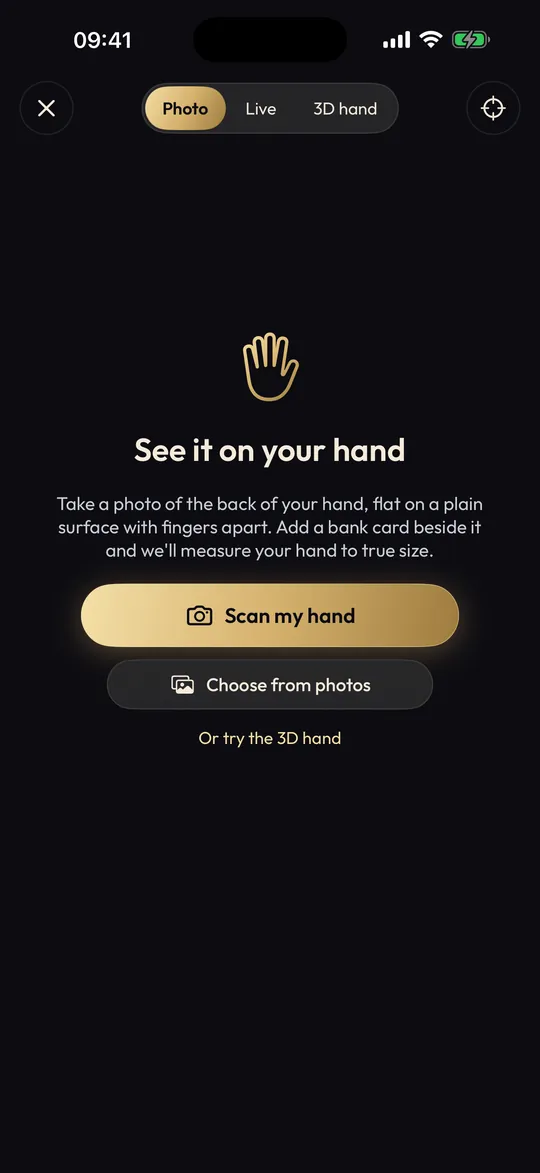
Since movals vary so much, a 3D design and ring code give your jeweller a clear brief on the look and proportions you want.
Moval vs oval and marquise
If you want the safest, most available version of the look, choose an oval. If you love the drama of points, go for the marquise. The moval is for people who sit between the two. For broader context, see engagement ring trends.
Frequently asked questions
What is a moval diamond?
A moval is an elongated brilliant with gently tapered, rounded ends, a blend of marquise and oval. The name combines the two. It is slimmer and more pointed-looking than an oval, but has no sharp points.
What ratio is a moval cut?
There is no standard, but most sit roughly between 1.60 and 1.90, longer than a typical oval at 1.35 to 1.50 and shorter than most marquises at around 2.0.
Are moval diamonds natural or lab-grown?
Both exist, but because it is a recent, non-standard cut, many movals on the market are lab-grown or cut to order. Natural movals are less common and selection is smaller.
Is a moval more durable than a marquise?
Generally, yes. Its rounded ends avoid the thin, sharp points of a marquise, so there is less risk of chipping at the tips, although any setting should still hold the ends securely.
How big is a 1 carat moval?
Very roughly 9 x 5.3 mm, depending on the cutter and ratio. That is longer than a typical 1 carat oval of around 7.7 x 5.6 mm.
Keep reading
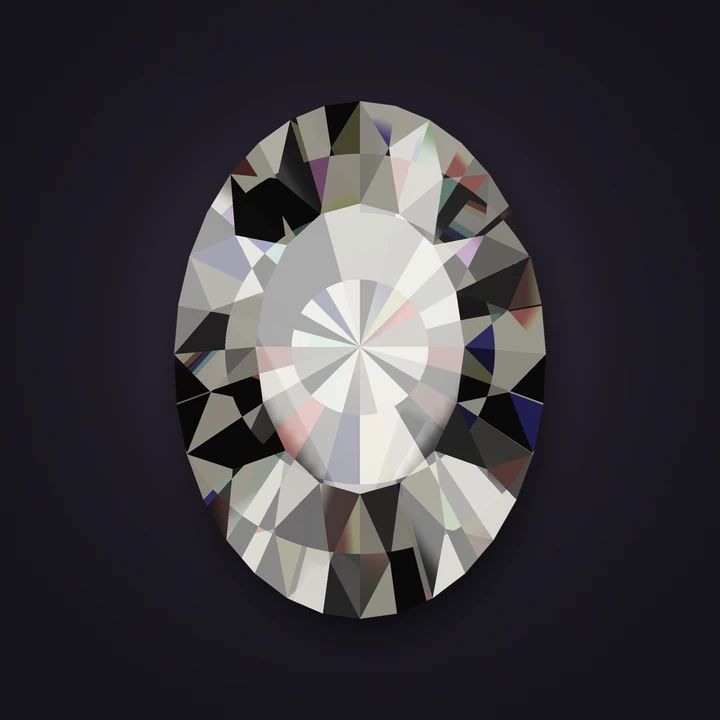 Oval Engagement Rings: How to Choose a Beautiful OneOval engagement ring guide: the best length-to-width ratio, judging the bow-tie, carat-to-mm sizes, flattering settings …
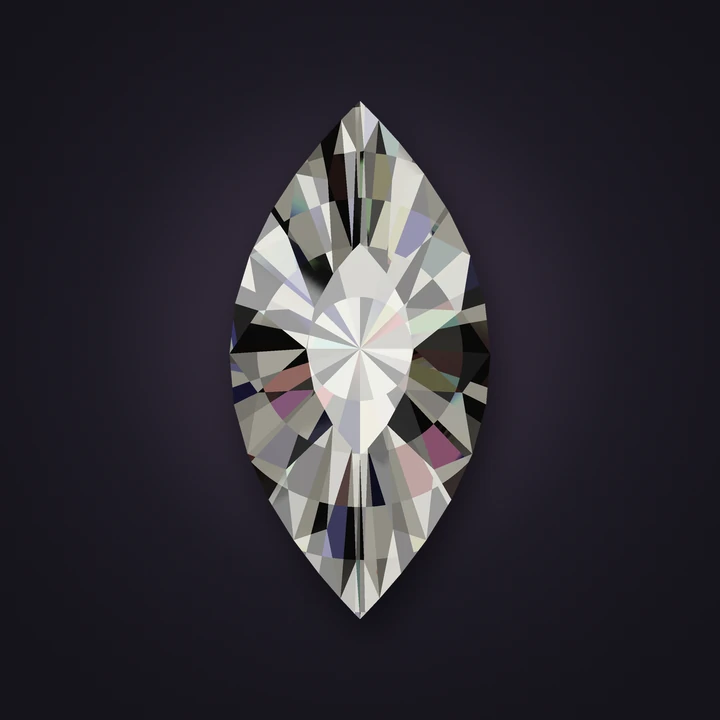 Marquise Engagement Rings: The Shape That Looks BiggestMarquise engagement ring guide: the ideal 1.85 to 2.10 ratio, bow-tie and symmetry checks, carat-to-mm sizes, tip protec…Oval vs Round DiamondOval vs round diamond: a 1 ct oval measures about 7.7 x 5.7 mm against 6.5 mm for a round, and usually costs less per ca…Pear vs Marquise DiamondPear vs marquise diamond: the marquise looks biggest per carat but has two fragile points; the pear has one point and a …Lab-Grown DiamondsLab-grown diamonds explained: how HPHT and CVD diamonds are made, why they are real diamonds, how they are graded, resal…Unique Engagement RingsUnique engagement ring ideas: unusual cuts, coloured stones, east-west and toi et moi layouts, hidden details and custom…